
Start with how the brakes feel.
Pedal feel, noise, vibration, pulling and warning lights are useful clues when a brake concern needs to be inspected and discussed.
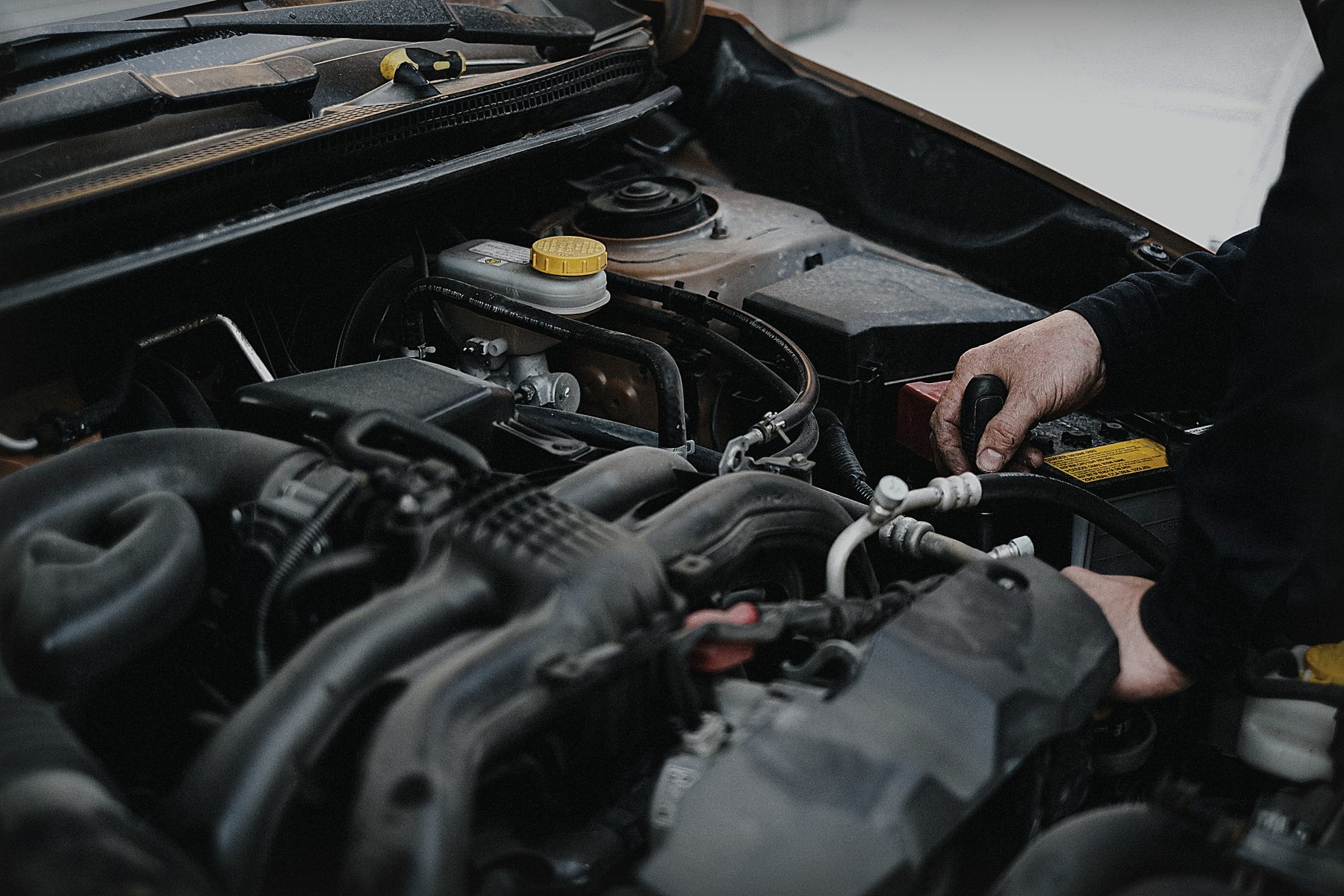
Describe the braking concern as clearly as you can.
Brake concerns can show up through the pedal, sound, steering response, warning indicators or a change in stopping behaviour. The conditions and timing are important.
Tell the workshop what you noticed and avoid continuing to drive if you believe the vehicle is unsafe. The immediate next step can then be discussed from the available information.
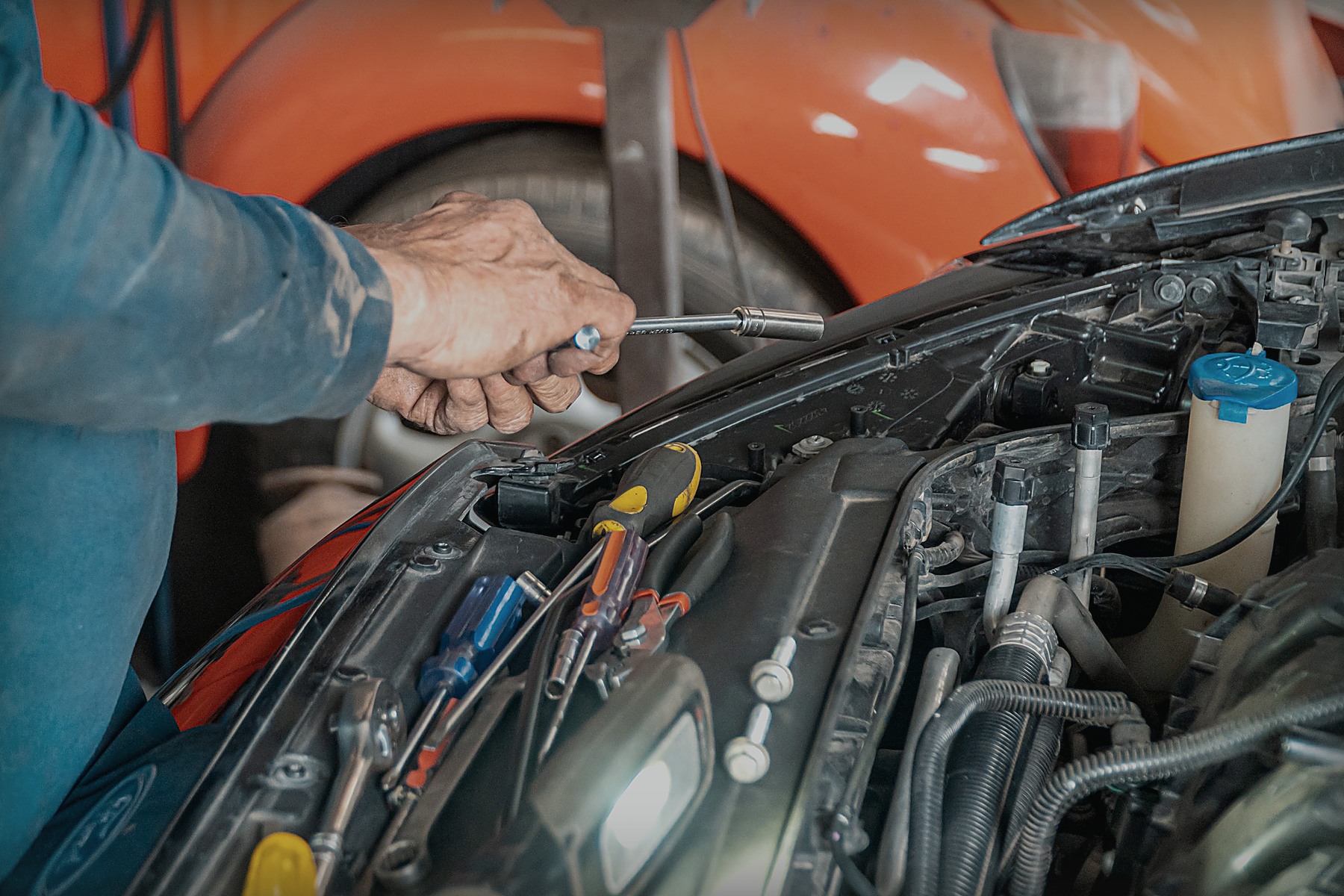
Share the feel, sound and circumstances.
Describe the pedal feel
Mention softness, hardness, travel, pulsing or a change from the vehicle’s normal feel.
Report noise or vibration
Note grinding, squealing, shudder or steering movement during braking.
Include lights or fluid concerns
Share warning indicators, visible leaks or any sudden change in braking behaviour.
Record when the concern appears.
Safety comes first. If the vehicle feels unsafe to drive, stop and discuss the situation with the workshop before moving it.
- Vehicle year, make and model
- Pedal feel compared with normal
- Noise, vibration or pulling direction
- Speed and conditions when it occurs
- Dashboard warning lights
- Recent brake, wheel or tyre work
Keep exploring this side of the workshop.
Diagnostics
Use the broader diagnostic page when the source of the concern is unclear.
VIEW SERVICESteering and Suspension
Check the handling page when braking symptoms overlap with ride or steering concerns.
VIEW SERVICERoadworthies
Start a roadworthy enquiry when the brake concern relates to an inspection or repair list.
VIEW SERVICEContact the workshop before it gets worse.
Describe the pedal, sound, movement and warning signs so the immediate next step can be discussed.