Care for the muscle car you love.
Start with the car’s history, the work already completed and the balance you want between character, originality and road use.
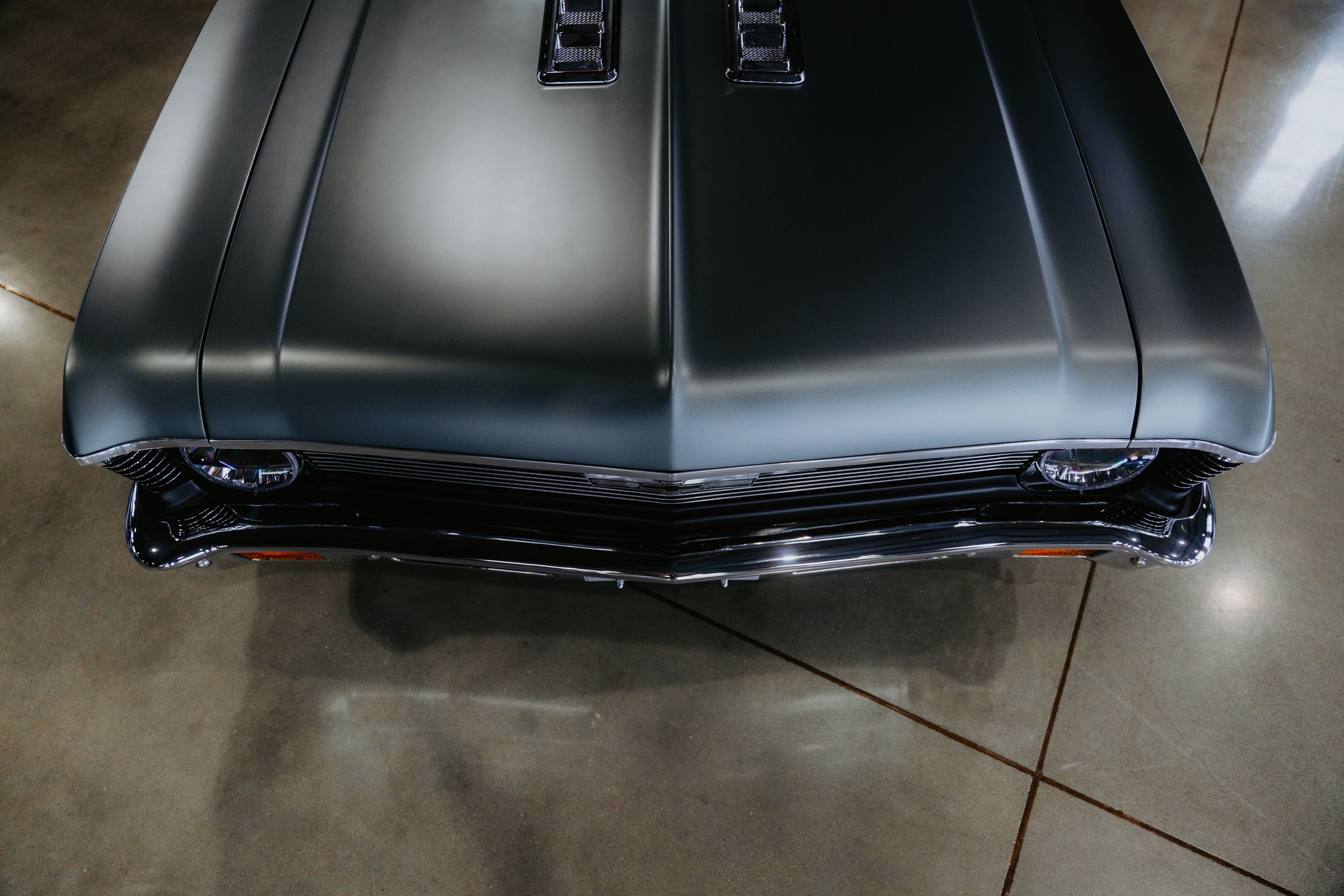
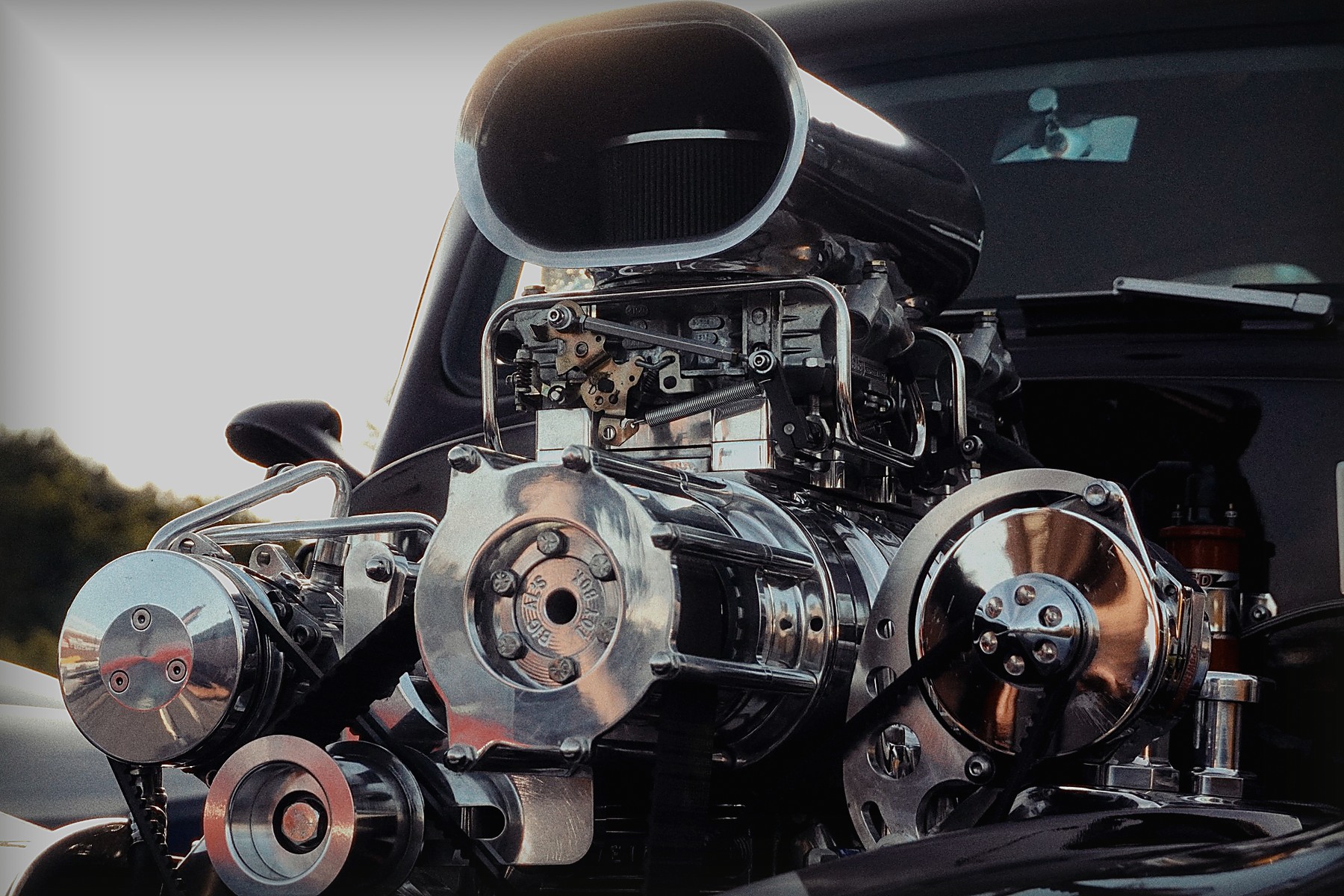
Performance history is only part of the story.
A muscle car may carry original components, later changes, incomplete work and a mix of owner goals. Before a maintenance plan is set, those pieces need to be understood together.
Explain how you want to use the car, what you value about its current character and which areas concern you most. That context is more useful than arriving with a parts list alone.
For muscle-car exhausts, the options include new systems, standard replacements and custom exhausts. Bring the details of the current setup so the workshop can discuss what suits the car.
Decide what should stay, change and wait.
Identify what matters most
Originality, appearance, mechanical feel and drivability may carry different weight for each owner.
Map the existing changes
Share previous repairs, modifications and parts where the history is available.
Plan for the way it will drive
Describe where, how often and how far you expect to drive the car.
Describe the car you have now.
Photos, receipts and previous notes are helpful, but a clear description of the present vehicle and the desired outcome is enough to begin.
- Vehicle year, model and specification
- Known engine and driveline history
- Previous modifications or replacement components
- Current running condition and symptoms
- Originality priorities
- Intended road use and maintenance goals
Keep exploring this side of the workshop.
Classic Car Care & Maintenance
Build a broader maintenance plan around history, condition and intended use.
VIEW SERVICEEngine Rebuilds
Start with engine condition and evidence before choosing a rebuild direction.
VIEW SERVICEAssessments and Planning
Put the known work, unknowns and owner priorities into a clearer order.
VIEW SERVICEStart with the vehicle details.
Tell us what the car is, what has changed over time and how you want to use it.