Improve it without losing the character.
Maintenance and upgrade conversations should begin with the car’s present condition, intended use and the qualities the owner wants to preserve.
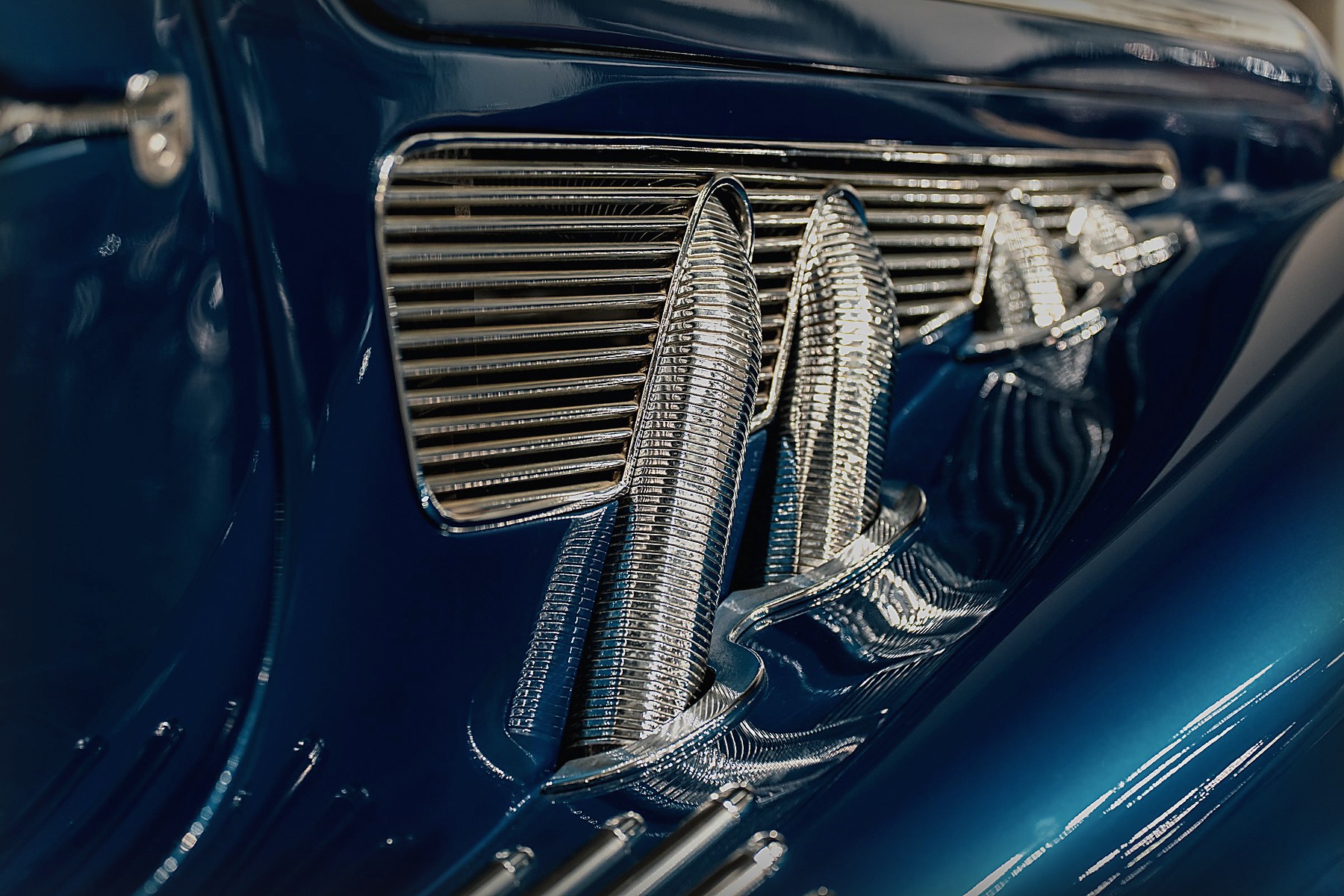
Be clear about what you want the car to do better.
An upgrade request is easier to understand when it begins with the desired result: reliability, comfort, drivability, easier regular use or another specific concern.
The car’s current condition still comes first. Existing faults, previous changes and the wider maintenance picture may affect what should be considered and in what order.
New exhausts, standard replacement systems and custom exhausts are available for classic and muscle cars. Explain the current setup and the result you want so the options can be discussed around your vehicle.
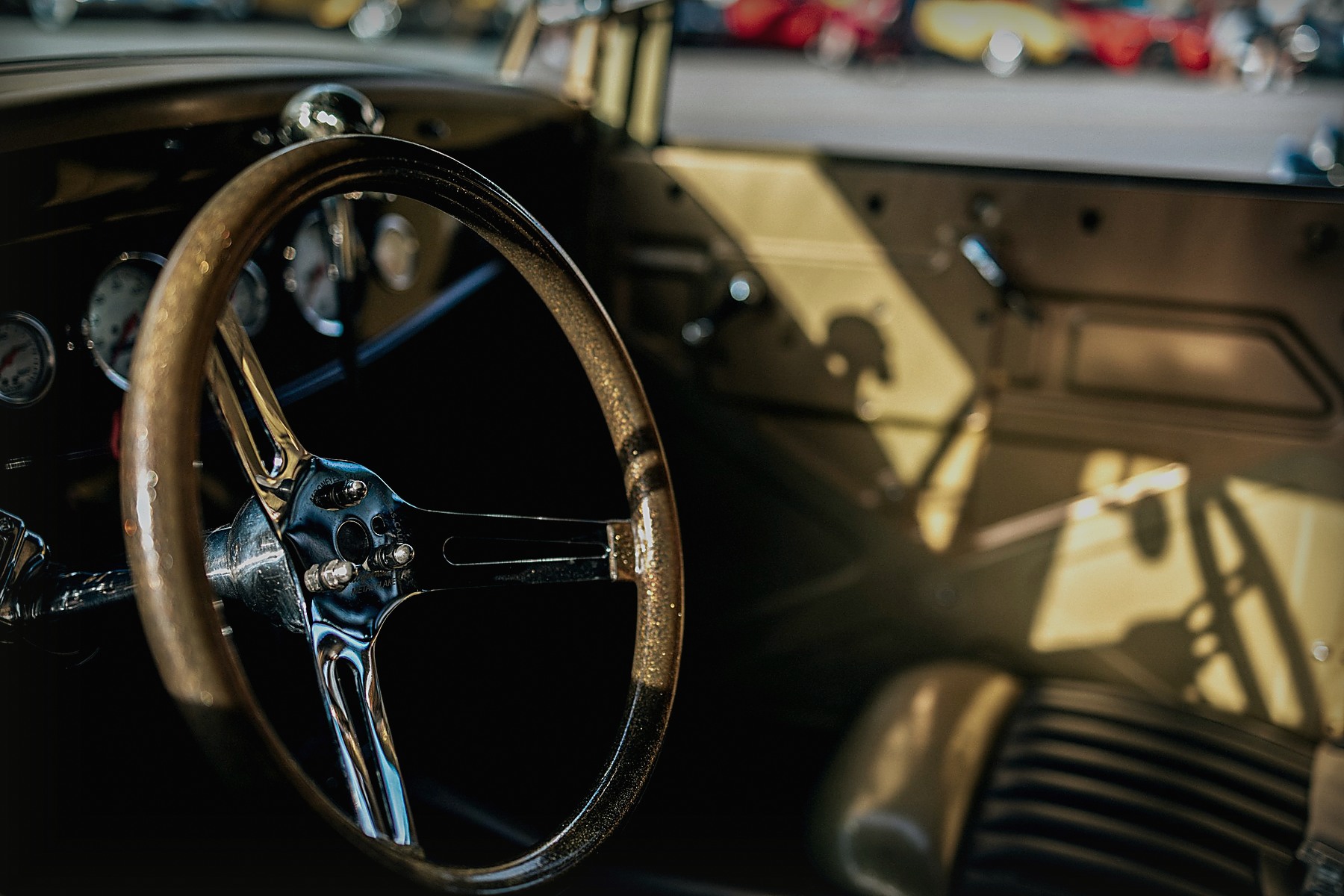
Link every proposed change to the way the car is used.
Understand the baseline
Known faults and deferred maintenance need to remain visible during any upgrade conversation.
Name the improvement
Describe what you want to feel, use or manage differently when driving the car.
Set the boundaries
Explain what must remain original, reversible or visually consistent with the car.
Bring the goal before the parts list.
A clear outcome and honest baseline make it easier to discuss whether a proposed change belongs in the plan.
- Vehicle specification and current setup
- Recent maintenance and known faults
- How and where the car is driven
- The exact concern or limitation to improve
- Originality and reversibility preferences
- Parts already owned or previously considered
Keep exploring this side of the workshop.
Tell us what you want to improve.
Add the current vehicle setup, the desired result and anything you want to preserve.