Care for your classic.
A useful maintenance plan begins with the vehicle’s history, present condition, intended use and the result you want to work towards.
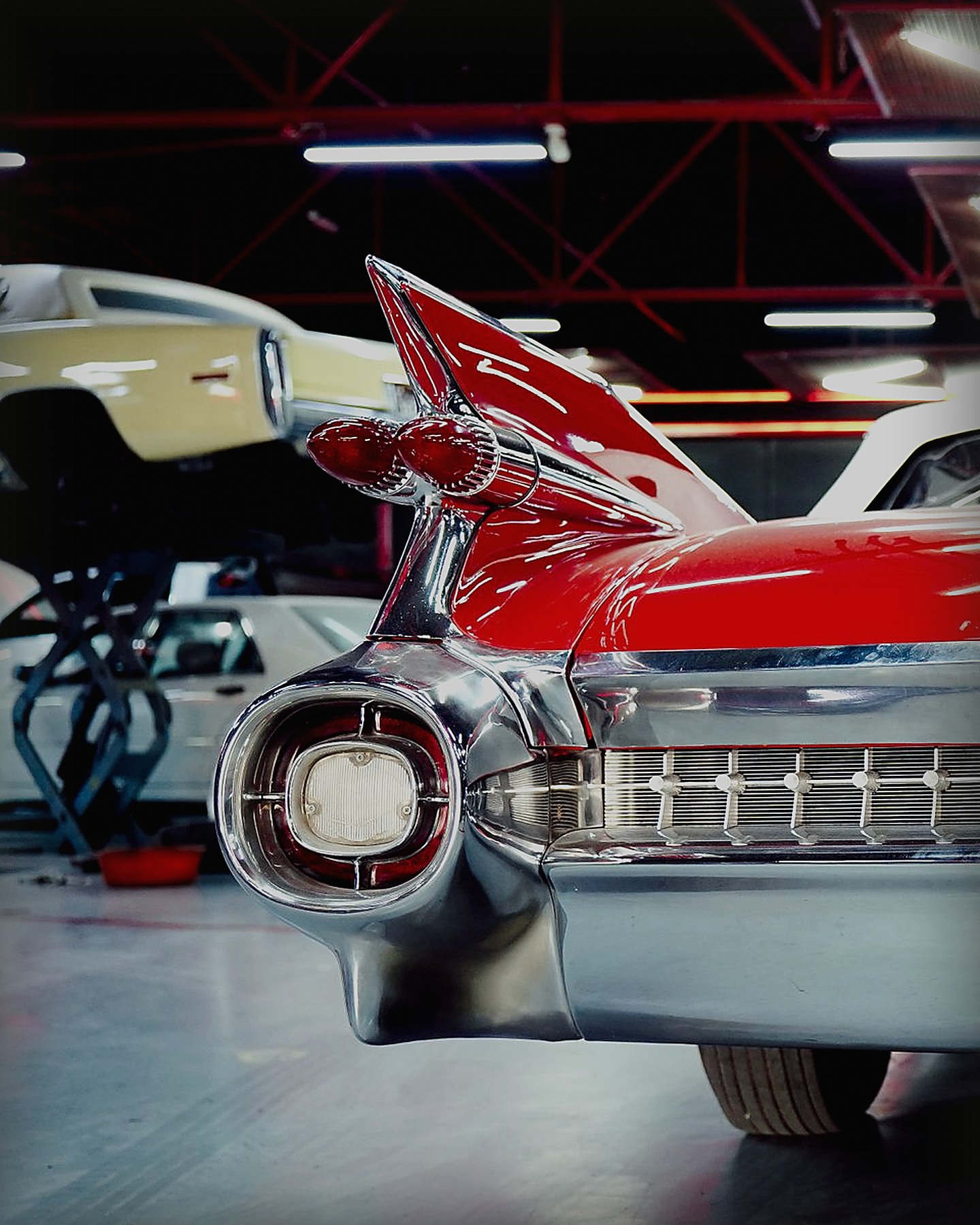
Understand the car before deciding what comes next.
Caring for a classic means understanding work already completed, parts changed over time and priorities that may differ between owners. The starting conversation needs to make that history visible.
Gasoline Automotive will first need to understand the car, the known issues and the owner’s priorities. From there, the immediate scope can be discussed without pretending every project follows the same path.
Exhaust work includes new systems, standard replacement exhausts and custom exhausts. Discuss the existing system and the result you want as part of the vehicle’s care and maintenance.
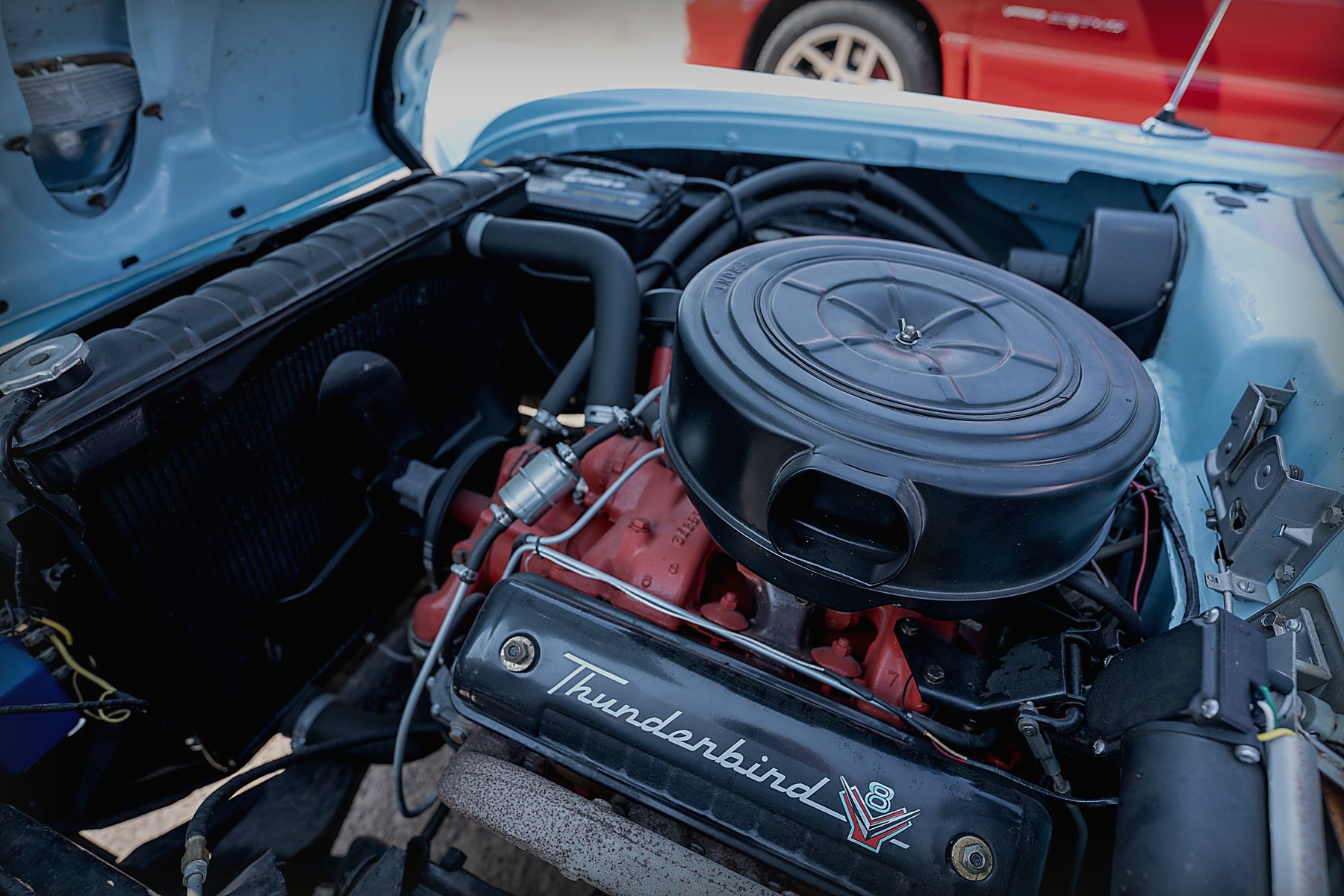
Keep the car, the goal and the priorities together.
Start with what is known
Share what runs, what does not, what has been inspected and where the unknowns remain.
Define the intended use
A regular driver and an occasional cruiser can have different maintenance priorities.
Order the work sensibly
Separate immediate needs from later goals so the first conversation stays practical.
Bring the history you have.
You do not need a perfect record. Any reliable detail can help the workshop understand the vehicle and the maintenance conversation.
- Year, make, model and body style
- How long the vehicle has been owned
- Known previous work or modifications
- How long it has been running or sitting
- Current mechanical concerns
- The intended use and highest priorities
Keep exploring this side of the workshop.
Muscle Car Care & Maintenance
Frame the project around originality, road use and the character you want to keep.
VIEW SERVICEEngine Rebuilds
Discuss symptoms and engine history before assuming what the engine needs.
VIEW SERVICEAssessments and Planning
Create an ordered starting point from the car, the records and the wish list.
VIEW SERVICETell us about the classic.
Include what has already been done, what concerns you now and how you want to use the car.