Service the car around real use.
Classic and muscle-car servicing should take account of age, storage, previous work and how often the vehicle is actually driven.
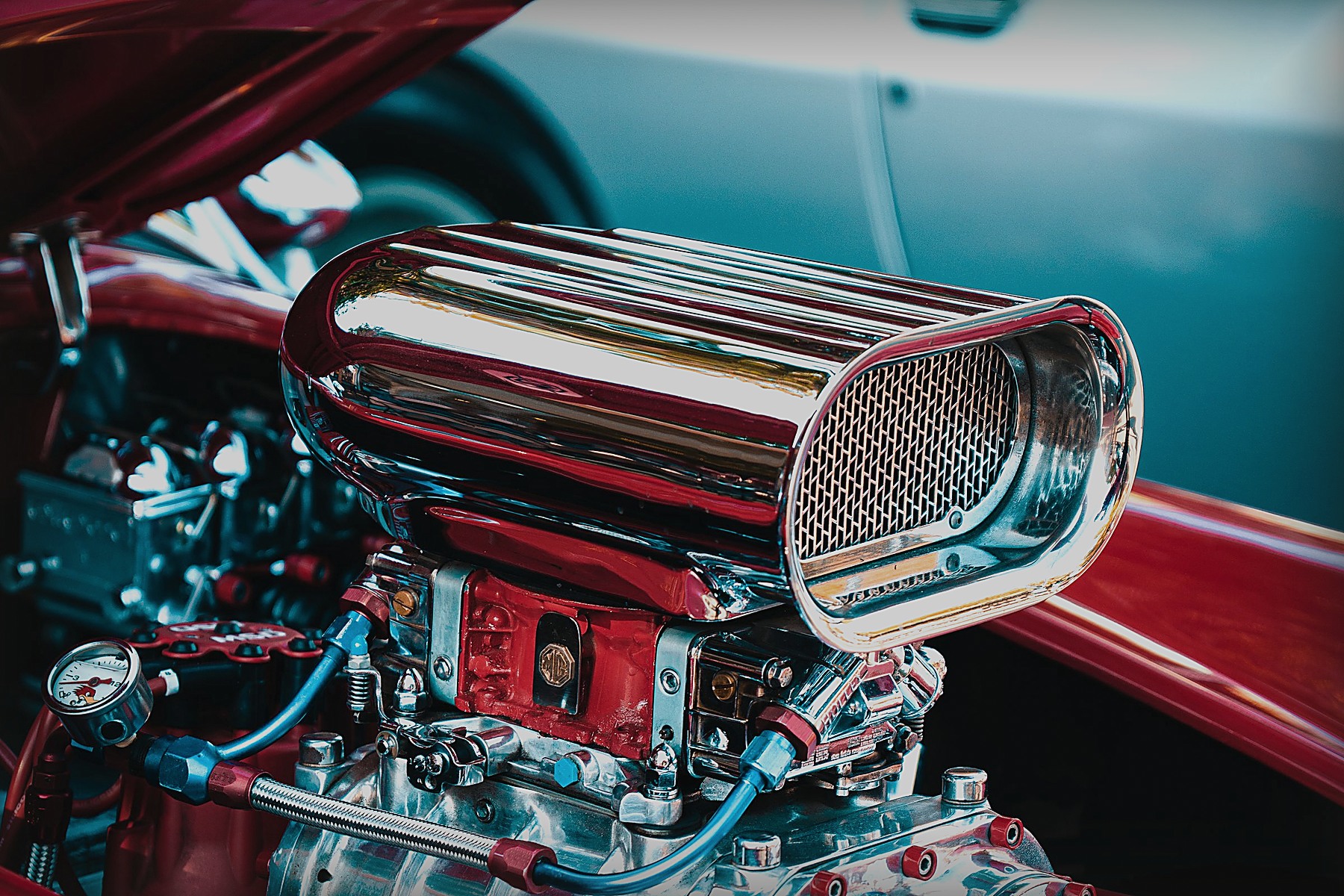
Older cars rarely live on a simple calendar.
Some classics run every week. Others cover occasional short trips, spend months stored or return to use after a long pause. Those patterns matter when servicing is discussed.
Share the recent service history, how the car is used and any changes you have noticed. The workshop can then frame the immediate servicing conversation around the actual vehicle.
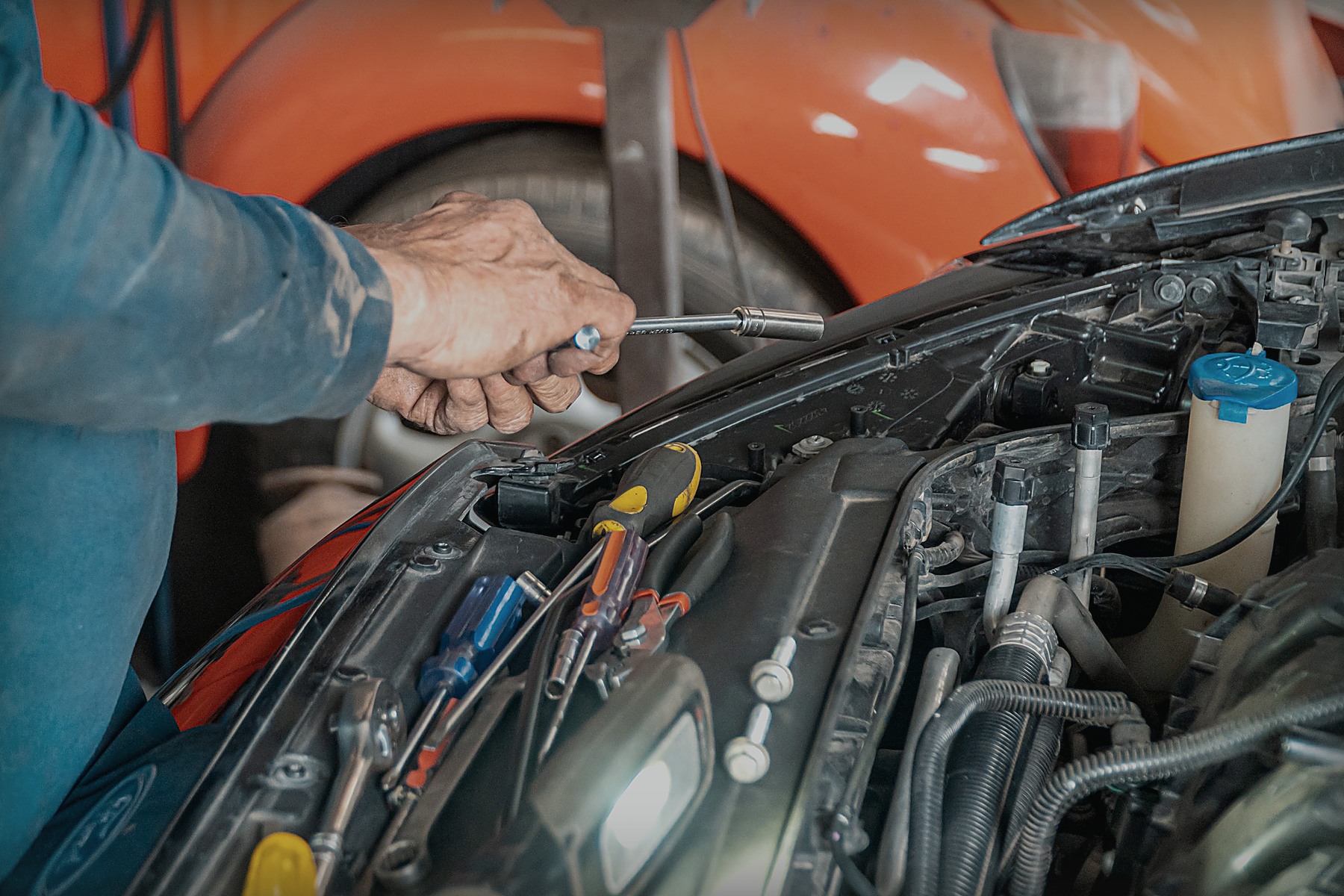
Use, storage and history all belong in the discussion.
Explain how often it runs
Regular use, occasional trips and long storage create different points to discuss.
Bring the service history
Receipts and notes can help show what has been maintained and where gaps remain.
Mention new behaviour
Report fresh leaks, smells, noises, starting concerns or changes in temperature and gauges.
Tell us how the car lives.
A short picture of recent use and maintenance gives the workshop a stronger basis for the service conversation.
- Vehicle and engine details
- Approximate recent use
- How and where the car is stored
- Date and scope of the last known service
- Fluids or parts changed recently
- Current leaks, noises or starting concerns
Keep exploring this side of the workshop.
Mechanical Repairs
Start with the symptoms when the classic has developed a fault.
VIEW SERVICEMaintenance and Upgrades
Plan future changes around the vehicle’s present condition and use.
VIEW SERVICEClassic Car Care & Maintenance
Move into a wider classic-car care conversation when the scope extends beyond maintenance.
VIEW SERVICEShare the recent use and history.
Include when it last ran, the last known service and anything that has changed since then.